Search

Kymata Health · Body Explorer

Your body.
A world to understand.

Explore an organ, understand the research and find useful reading.

THE BODY, CONNECTED20 organs & glands · Free to explore
EXPLORE THE CONNECTIONS
Translucent reference body showing internal organs and skeleton

Mouse: drag to turn. Touch: tap Move body to turn and pinch to zoom.

A body of connections

Look closer.
Find the connection.

Choose an organ on the body or browse the library. Understand its role, explore the research and keep reading on Kymata.

01 Find an organ or system

02 See its role in the body

03 Explore the evidence

Your organs don’t work alone.

Choose a pair, follow a habit or look closer at the evidence.

A body of possibilities

Make room
for curiosity.

Follow a connection. Ask a better question. Find something worth understanding, and passing on.

A body of connections

Follow what
happens next.

A meal. A breath. A signal. Explore how your organs work together, one useful question at a time.

Follow
a question.

General reference anatomy, not a scan of your body. Selecting an organ does not identify a deficiency or recommend a treatment. Pelvic views describe reference structures, not your identity. Body attribution · Organ attribution.

Free to explore. No account needed. General reference anatomy and educational research. Selecting an organ does not identify a condition or recommend a treatment.

Your next useful read

Explore anatomy. Follow the science.

What does each organ do? How do body systems work together? Start with an organ, then explore Kymata’s guides to its function, health research and the limits of supplement claims.

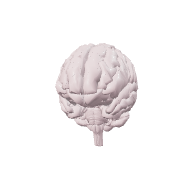
Brain

The brain processes information and coordinates movement, thought and many functions throughout the body.

Explore the brain in 3D What ginkgo memory trials foundExamine creatine and cognition studies
Pituitary

A small gland at the base of the brain that sends hormone signals involved in growth, reproduction and the work of other glands.

Explore the pituitary in 3D Explore the hormone libraryUnderstand blood-test options
Thyroid

A butterfly-shaped gland in the neck. Its hormones help regulate how the body uses energy.

Explore the thyroid in 3D Iodine: food, supplements & safetyWhat selenium trials actually show
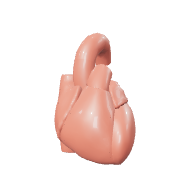
Heart

The muscular pump that moves blood through the lungs and the rest of the body.

Explore the heart in 3D Read the omega-3 evidenceCompare omega-3 labels & testing
Colon

The main part of the large intestine absorbs water and helps form and move stool. It also houses a diverse community of microbes.

Explore the colon in 3D Explore psyllium fiberRead a probiotic strain label
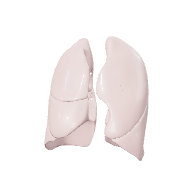
Lungs

The lungs exchange oxygen and carbon dioxide between inhaled air and the blood.

Explore the lungs in 3D What the beta-carotene trials found
Liver

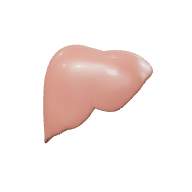
The liver processes nutrients and many medicines, makes important blood proteins and produces bile for digestion.

Explore the liver in 3D Milk thistle: what the trials showTurmeric extracts & liver safety
Gallbladder

A small sac beneath the liver that stores and concentrates bile, then releases it into the small intestine.

Explore the gallbladder in 3D What digestive-enzyme studies show
Pancreas

The pancreas supplies digestive enzymes to the small intestine and makes hormones, including insulin and glucagon, that help regulate blood glucose.

Explore the pancreas in 3D Understand digestive-enzyme productsUnderstand blood-test options
Spleen

The spleen filters blood, helps recycle old red blood cells and supports immune responses.

Explore the spleen in 3D Why iron decisions start with contextUnderstand blood-test options
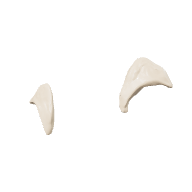
Thymus

An organ behind the breastbone where T cells, a type of immune cell, mature.

Explore the thymus in 3D Zinc: prevention, treatment and safetyExplore nutrient evidence
Adrenal glands

These glands sit above the kidneys and make hormones involved in the stress response, blood pressure and salt balance.

Explore the adrenal glands in 3D Examine adrenal-cocktail claimsExplore the hormone library
Kidneys

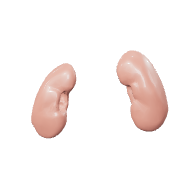
The kidneys filter blood, remove wastes into urine and help regulate fluid, minerals and acid balance.

Explore the kidneys in 3D Potassium: role, evidence & safetyUnderstand blood-test options
Bladder

A hollow muscular organ that stores urine made by the kidneys until it leaves the body through the urethra.

Explore the bladder in 3D Read the cranberry evidence
Stomach

The stomach mixes food with acid and enzymes before moving it into the small intestine.

Explore the stomach in 3D Vitamin B12: absorption & evidenceB12, age and medicines
Small intestine

Most digestion and nutrient absorption occur in the small intestine, with help from pancreatic enzymes and bile.

Explore the small intestine in 3D Digestive enzymes: evidence & limitsCompare B12 forms and absorption claims
Ovaries

The ovaries contain developing eggs and produce hormones, including estrogens and progesterone, involved in reproduction and other body functions.

Explore the ovaries in 3D Menopause: hormones, supplements & evidenceExplore the hormone library
Uterus

A muscular pelvic organ whose lining changes with hormone signals and can support a pregnancy.

Explore the uterus in 3D Explore the hormone libraryMenopause and hormone context
Prostate

A gland below the bladder that surrounds part of the urethra and contributes fluid to semen.

Explore the prostate in 3D What saw-palmetto trials found
Testes

The testes make sperm and hormones, including testosterone, in response to signals from the brain and pituitary.

Explore the testes in 3D Explore the hormone libraryUnderstand blood-test options

Keep your curiosity moving

Six ways to follow the science.

Start with an explanation. Then follow an original source or find a useful guide.

01 / Connections

How do the heart and kidneys work together?

The heart pumps blood through the circulation, including the kidneys. This brings water, salts and waste products to organs that help regulate their balance.

Sources and more reading

A highlighted organ is a place to learn, not a diagnosis.

Original sources

Keep reading on Kymata

02 / Habits

What does a walk do beyond the legs?

Working skeletal muscles use energy. The circulation and breathing respond to help deliver oxygen and remove carbon dioxide. The reference muscle layer shows anatomy, not a measured exercise response.

Sources and more reading

Ask what was measured, in whom and over what period.

Original sources

Keep reading on Kymata

03 / Research

Fiber and LDL cholesterol

The pooled analysis found lower LDL cholesterol with psyllium supplementation than control.

28 trials involving 1,924 participants, with and without elevated cholesterol. This review measured lipid markers. It does not establish fewer heart attacks, a guaranteed individual result or equivalence among all fibers.

Sources and more reading

This is a selected study collection, not a complete literature review.

Original sources

Keep reading on Kymata

04 / Questions

Why can stress affect the heartbeat?

Stress describes how the brain and body respond to a challenge or demand. Nervous-system signals and hormones help coordinate that response.

Sources and more reading

Understanding a normal response is different from explaining an individual symptom.

Original sources

Keep reading on Kymata

06 / Share

How do the heart and kidneys work together?

The heart keeps blood moving. The kidneys help balance what it carries.

Sources and more reading

The link opens this exact public organ connection.

Original sources

Keep reading on Kymata

Educational only. Not medical advice.

We earn a commission on some links. That never changes a rank. How we make money: kymatahealth.com/affiliate-disclosure.