
Search
Conceptual still-life of the supplements in this stack: The Huberman sleep stack, reviewed

Podcast protocol, checked · Sleep stack

The Huberman sleep stack, reviewed

Dr. Andrew Huberman’s sleep toolkit is the most copied supplement routine online. We graded each piece against the published human trials so you know which parts carry the weight and which are optional.

The stack

The Huberman stack, evidence-ordered

The grade is on each card; each card jumps to its item, where the shop list, study amounts and safety notes are.

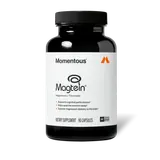
  • Momentous Magnesium L-Threonate, 90 capsulesGrade C, limited

    Item 1 of 5

    Magnesium L-threonate (Magtein)

    • The “brain magnesium”. Pick it when daytime focus and next-day sharpness matter as much as sleep; it costs about three times more than glycinate.
    • 3 products checked
    from $31.50Jump to the shop list
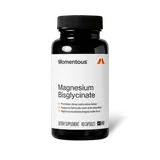
  • Momentous Magnesium Bisglycinate, 60 capsulesGrade B, moderate

    Item 2 of 5

    Magnesium bisglycinate (glycinate)

    • Supports a calm nervous system and muscle relaxation at night. The foundation: cheap, well studied, gentle on the gut in this form.
    • 3 products checked
    from $16.99Jump to the shop list
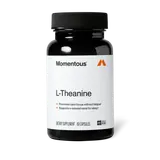
  • Momentous L-Theanine, 60 capsulesGrade B, moderate

    Item 3 of 5

    L-theanine

    • Supports a quieter mind at night without sedation. Useful when the problem is racing thoughts rather than heat.
    • 2 products checked
    from $18Jump to the shop list
  • Conceptual still-life of the supplements in this stack: The Huberman sleep stack, reviewedGrade C, limited

    Item 4 of 5 · optional

    Glycine

    • Supports the evening drop in core body temperature that comes before deep sleep, and next-day alertness after short nights.
    • 2 products checked
    from $22Jump to the shop list
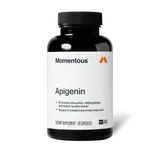
  • Momentous Apigenin, 60 capsulesGrade D, preliminary

    Item 5 of 5 · optional

    Apigenin

    • A chamomile flavonoid popularised by the Huberman protocol for winding down. The weakest-evidence piece of the stack.
    • 2 products checked
    from $24.99Jump to the shop list

Quick answer

The quick answer

  • The behaviors do most of the work: light, wake time, caffeine cutoff, dark and cool room.
  • Magnesium: bisglycinate has the larger sleep trial, threonate a smaller one. Evidence grade C, matching both monographs.
  • L-theanine: B. A 2025 meta-analysis found modest benefits on self-rated sleep.
  • Glycine: C (small trials). Apigenin: D (no human trial of apigenin itself for sleep). GABA: left out; oral GABA’s sleep data are weak.

We may earn a commission if you buy through these links. That never changes a rank. See how partner links work.

Story

Where the stack comes from

In his “Toolkit for Sleep” newsletter, Huberman lists the behaviors first: morning and late-afternoon sunlight, a fixed wake time, no late-day caffeine, dim lights at night, a cool room, short naps, and NSDR or yoga nidra if you wake at night. Only then does he say you “might consider” supplements: magnesium threonate or bisglycinate, apigenin and theanine, plus glycine and GABA on some nights.

He also says to start with one supplement, or none, and add one at a time. That is the part most copies leave out. He states that he uses Momentous supplements, a company he partners with; we checked the evidence independently.

In depth

Each piece, graded

  • Magnesium threonate or bisglycinate: randomized trials for both; bisglycinate is cheaper and has the larger trial. Grade C (one randomized trial each; see the monographs).
  • L-theanine: a meta-analysis of randomized trials found small improvements in self-rated sleep (PMID 40056718). Grade B.
  • Glycine: small Japanese trials found less next-day fatigue after short nights. Grade C.
  • Apigenin: no randomized trial of apigenin alone for sleep; one pilot of a chamomile extract was mostly negative. Grade D.
  • GABA: oral GABA crosses into the brain poorly; trial results are small and inconsistent. We left it out.

The plan

How to try it without wasting money

  1. Two weeks of behaviors only. Morning light, fixed wake time, caffeine cutoff, cool dark room. Log your sleep (a wearable or a simple diary).
  2. Magnesium next. Bisglycinate if cost matters; threonate if you also care about focus. Two weeks.
  3. Theanine, if your mind races. Stop it if you get intense dreams or night terrors.
  4. Optional: glycine, then apigenin. Glycine has small trials behind it. Apigenin last, and only if the rest has not done enough.
  5. Review at 6 weeks. Keep what moved your log. Most people end up with one or two pieces, not five.

The stack

The Huberman stack, evidence-ordered

Same ingredients and doses as the toolkit, ordered by strength of evidence. Pick one magnesium, not both. Evidence grade: A strong · B moderate · C limited · D preliminary.

  1. Illustration, not the product: Conceptual still-life of magnesium beside a test tube (Momentous Magnesium L-Threonate (Magtein))

    01

    Magnesium L-threonate (Magtein)

    The “brain magnesium”. Pick it when daytime focus and next-day sharpness matter as much as sleep; it costs about three times more than glycinate.

    What the research shows: In a 21-day randomized trial of 80 adults aged 35–55 with self-reported sleep problems, 1 g/day of magnesium L-threonate improved Oura-measured deep and REM sleep scores and morning energy versus placebo; three of its six authors work for the ingredient supplier. A second randomized trial (2025) gave mixed sleep results. Two small trials of Magtein-based products reported cognitive-test improvements, one of them a combination formula. Small, short and company-funded, so the grade is C. (PMID 39252819, PMID 41601871, PMID 26519439, PMID 36558392)

    • Counts toward the US upper limit for supplemental magnesium (350 mg/day, NIH Office of Dietary Supplements); do not combine a full serving of threonate and glycinate without a clinician.
    • Kidney disease: ask first.
    • Some people get loose stools or vivid dreams.

    In the studies

    • Trials gave 1–2 g a day of magnesium L-threonate (about 83–165 mg elemental magnesium)

    A record of what researchers gave, in whom; not a dose for you.

    Evidencelimited (Grade C)

    Quick pick · Momentous

    Brands that pay us are shown first in this list.

    Momentous Magnesium L-Threonate (Magtein) (paid link, opens in new tab)

    3 capsules: 145 mg magnesium from 2 g Magtein magnesium L-threonate; NSF Certified for Sport

    $49.9930 servings (90 capsules) · price checked Oct 29, 2026 on Momentous’ site

    One-time
    $49.99
    Subscription
    $37.49
    Subscribe 25% off

    Shop at Momentous (paid link, opens in new tab)

    We may earn a commission if you buy through these links. That never changes a rank. See how partner links work.

    Also from our partners

    Only brands that pay us are listed here.

    Subscribe & save 25%. Pick “Subscribe 25% Off” on the product page; delivery every 1, 2 or 3 months; cancel or reschedule anytime.

    • Subscription price shown on each product card.
    • Our Momentous links apply the brand’s partner discount at checkout, so there is no code to type. Momentous sets any discount it applies; check the cart total before you pay.
    • Offer terms from Momentous’ site, checked Oct 8, 2026. Offers can change; the brand's checkout is final.
  2. Illustration, not the product: Conceptual still-life of magnesium beside a test tube (Momentous Magnesium Bisglycinate)

    02

    Magnesium bisglycinate (glycinate)

    Supports a calm nervous system and muscle relaxation at night. The foundation: cheap, well studied, gentle on the gut in this form.

    What the research shows: A 2025 randomized trial in 155 adults reporting poor sleep found 250 mg/day of elemental magnesium as bisglycinate lowered insomnia-severity scores a little more than placebo at 4 weeks (−3.9 vs −2.3 points). Older trials in older adults point the same way; effects are modest and largest in people who run low. (PMID 40918053, PMID 33865376, PMID 23853635)

    • Stay at or under 350 mg/day of supplemental magnesium unless a clinician says otherwise (the US upper limit for supplements); food magnesium does not count toward it.
    • Kidney disease: ask first. Magnesium can build up when kidneys clear it poorly.
    • Separate from levothyroxine, tetracycline/quinolone antibiotics and bisphosphonates by at least 2–4 hours.

    In the studies

    • The main sleep trial gave 250 mg elemental magnesium a day as bisglycinate

    A record of what researchers gave, in whom; not a dose for you.

    Evidencemoderate (Grade B)

    Also from our partners

    Only brands that pay us are listed here.

  3. Illustration, not the product: Conceptual render of unbranded capsules, a beaker and a heap of powder (Momentous L-Theanine)

    03

    L-theanine

    Supports a quieter mind at night without sedation. Useful when the problem is racing thoughts rather than heat.

    What the research shows: A 2025 meta-analysis of randomized trials, mostly at 200–400 mg, found L-theanine modestly improved self-rated sleep outcomes (PMID 40056718). (PMID 40056718, PMID 31623400)

    • Generally well tolerated. It can add to the effect of blood-pressure medicines and sedatives; check if you take them.
    • Huberman’s own caution: skip theanine if you get overly intense dreams, sleepwalk or have night terrors.

    In the studies

    • Most trials in the 2025 meta-analysis gave 200–400 mg

    A record of what researchers gave, in whom; not a dose for you.

    Evidencemoderate (Grade B)

    Also from our partners

    Only brands that pay us are listed here.

  4. Illustration, not the product: Conceptual render of unbranded capsules, a beaker and a heap of powder (Supersmart Glycine Powder)

    04Optional

    Glycine

    Supports the evening drop in core body temperature that comes before deep sleep, and next-day alertness after short nights.

    What the research shows: Small Japanese trials used 3 g before bed: after three nights of restricted sleep, glycine reduced next-day fatigue and improved a vigilance test (PMID 22529837). Animal work points to a core-temperature mechanism. Promising, but the human trials are small. (PMID 22529837, PMID 25533534)

    • Well tolerated at the amounts used in the sleep trials. People taking clozapine should not add glycine without their prescriber.

    In the studies

    • 2 g (Huberman), up to 3 g (trials)

    A record of what researchers gave, in whom; not a dose for you.

    Evidencelimited (Grade C)

    Also from our partners

    Only brands that pay us are listed here.

    5% off with the Supersmart newsletter

    Sign up for the newsletter at the bottom of us.supersmart.com; Supersmart says the 5% discount is permanent.

    Subscribe & Save 15% (20% with 3+ items). Choose Subscribe & Save on the product page; delivery every 1 to 6 months, cancel or change anytime, free shipping on subscriptions.

    Get 5% off with the newsletter (paid link, opens in new tab)

    We may earn a commission if you buy through these links. That never changes a rank. See how partner links work.

    • Supersmart’s footer offer reads “Subscribe to our newsletter and obtain a 5% permanent discount.”
    • Supersmart says Subscribe & Save discounts can’t be combined with the 5% newsletter discount.
    • 20% applies when 3 or more products ship on auto-delivery to the same address.
    • Only products that show the Subscribe & Save offer qualify, and a Supersmart account is required.
    • The newsletter discount and Subscribe & Save are separate offers; we don’t claim they combine.
    • Offer terms from Supersmart’s site, checked Oct 16, 2026. Offers can change; the brand's checkout is final.
  5. Illustration, not the product: Conceptual render of unbranded capsules, a beaker and a heap of powder (Momentous Apigenin)

    05Optional

    Apigenin

    A chamomile flavonoid popularised by the Huberman protocol for winding down. The weakest-evidence piece of the stack.

    What the research shows: There is no published randomized trial of isolated apigenin for sleep in people. The closest is a 28-day pilot of a standardized chamomile extract (which contains apigenin) in 34 adults with chronic insomnia: it did not significantly improve total sleep time or sleep efficiency, with small, non-significant gains in daytime function. Most of the rationale comes from animal and receptor studies. (PMID 21939549)

    • Can add to the effect of sedatives and alcohol.
    • Not enough safety data for pregnancy or breastfeeding; skip it then.
    • Ragweed or chamomile allergy: avoid chamomile-derived products.

    In the studies

    • No trial has tested apigenin alone; chamomile-extract studies gave varying amounts

    A record of what researchers gave, in whom; not a dose for you.

    Evidencepreliminary (Grade D)

    Also from our partners

    Only brands that pay us are listed here.

Listed picks above total $153.96 at one-time prices on the brands' own sites; most hold about a month of servings at the label's serving size.

Left out

What we left out, and why

GABA 100 mg
Oral GABA has weak, inconsistent sleep data and probably reaches the brain poorly. Low risk, low value.
Melatonin
Huberman does not recommend nightly melatonin, and we agree: it is a timing signal for jet lag and shift work, not a nightly sleep aid.
Taking everything at once
You will not know what helped, and your supplemental magnesium can add up past the 350 mg/day US upper limit. Add one piece at a time.

Safety

Safety and interactions

  • Not medical advice. Check with a pharmacist if you take sedatives, blood-pressure medicines or antidepressants.
  • Pick one magnesium; keep supplemental magnesium at or under 350 mg/day. Kidney disease: ask first.
  • Pregnancy or breastfeeding: skip apigenin and ask before the rest.
  • Supplements are not evaluated by the FDA to diagnose, treat, cure or prevent any disease.

Questions

Frequently asked questions

What is in the Huberman sleep stack?

Magnesium threonate or magnesium bisglycinate, apigenin and L-theanine, with glycine and GABA on some nights, according to his Toolkit for Sleep newsletter.

Does the Huberman sleep cocktail work?

The combination has never been tested as a whole. Magnesium and L-theanine have randomized-trial support for modest improvements; glycine has small trials; apigenin and oral GABA have little human evidence for sleep.

Magnesium threonate or glycinate for the Huberman stack?

Either. Bisglycinate is cheaper and has the larger sleep trial; threonate (Magtein) has a smaller sleep trial plus cognitive data and costs about three times more. Do not take full doses of both.

What brand does Huberman use?

He states he uses Momentous for all of the supplements in the toolkit; Momentous is a company he partners with. Any product with the same form and dose, third-party tested, is a reasonable choice.

Is long-term apigenin use safe?

It appears well tolerated in healthy adults, but long-term human safety data are limited. Avoid it in pregnancy and breastfeeding and if you take sedatives.

Sources

Sources

Supplement stacks: every pageAll stacksBrowse all topics

The sleep stackAlso in: Supplements and vitamins

Educational only. Not medical advice.

We earn a commission on some links. That never changes a rank. How we make money: kymatahealth.com/affiliate-disclosure.