Health hub · For everyone
Heart & Circulation: Follow the Flow, Understand the Evidence
Connect the heart’s pumping action with lung gas exchange, understand what common cardiovascular measurements mean, and read research beyond the headline.
In short
What the trials show
- The right side of the heart sends blood toward the lungs; the left side sends oxygen-rich blood toward the body.1
- Gas exchange takes place in the lungs. Blood does not become oxygen-rich simply by passing through a heart chamber.2
- A change in triglycerides and a change in cardiovascular events are different outcomes. Prescription and retail omega-3 products are not interchangeable evidence.3
Guides in this hub
Read next
6 evidence explainers, each with its own sources.
 Updated Nov 9, 2026
How the Heart and Lungs Work Together
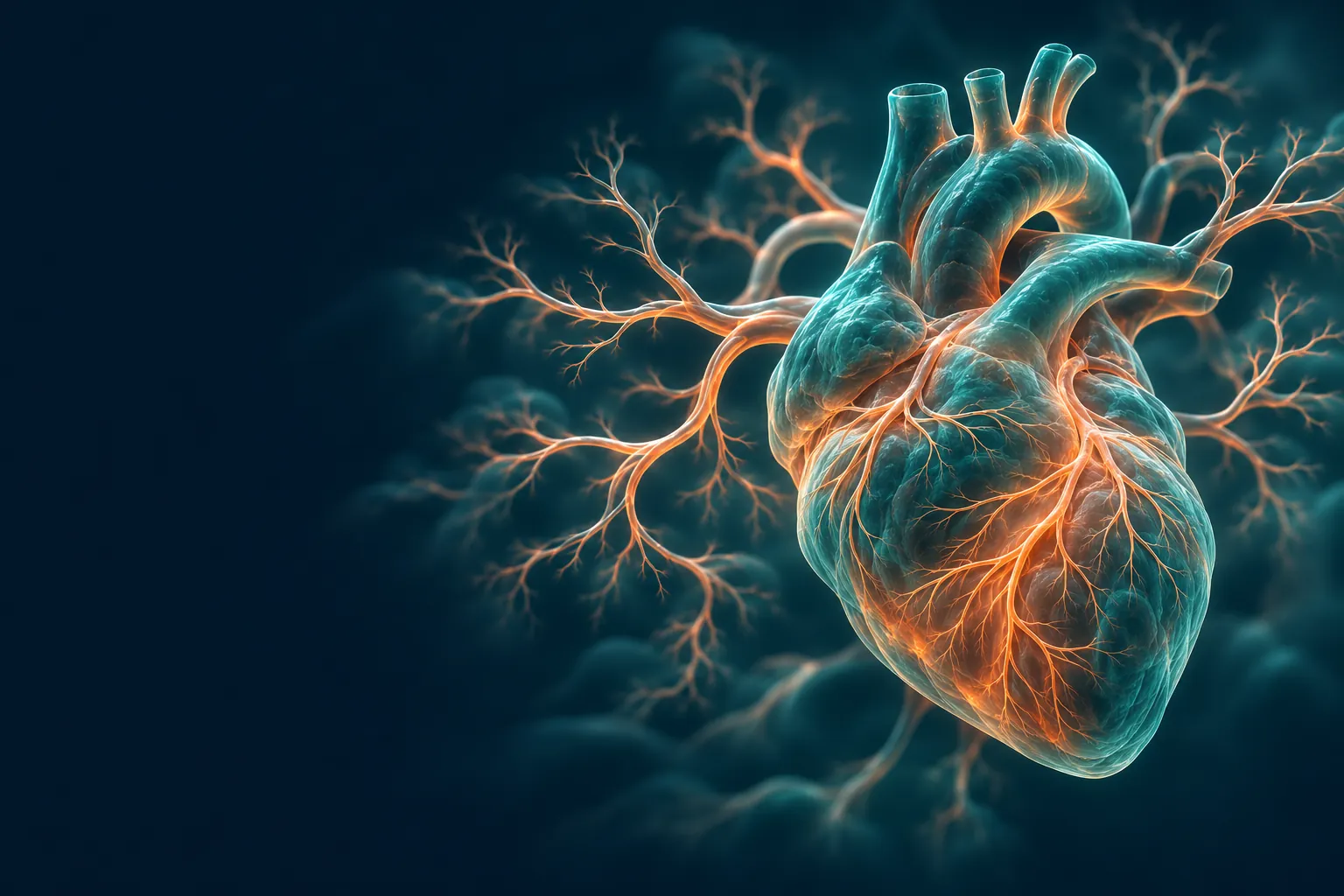
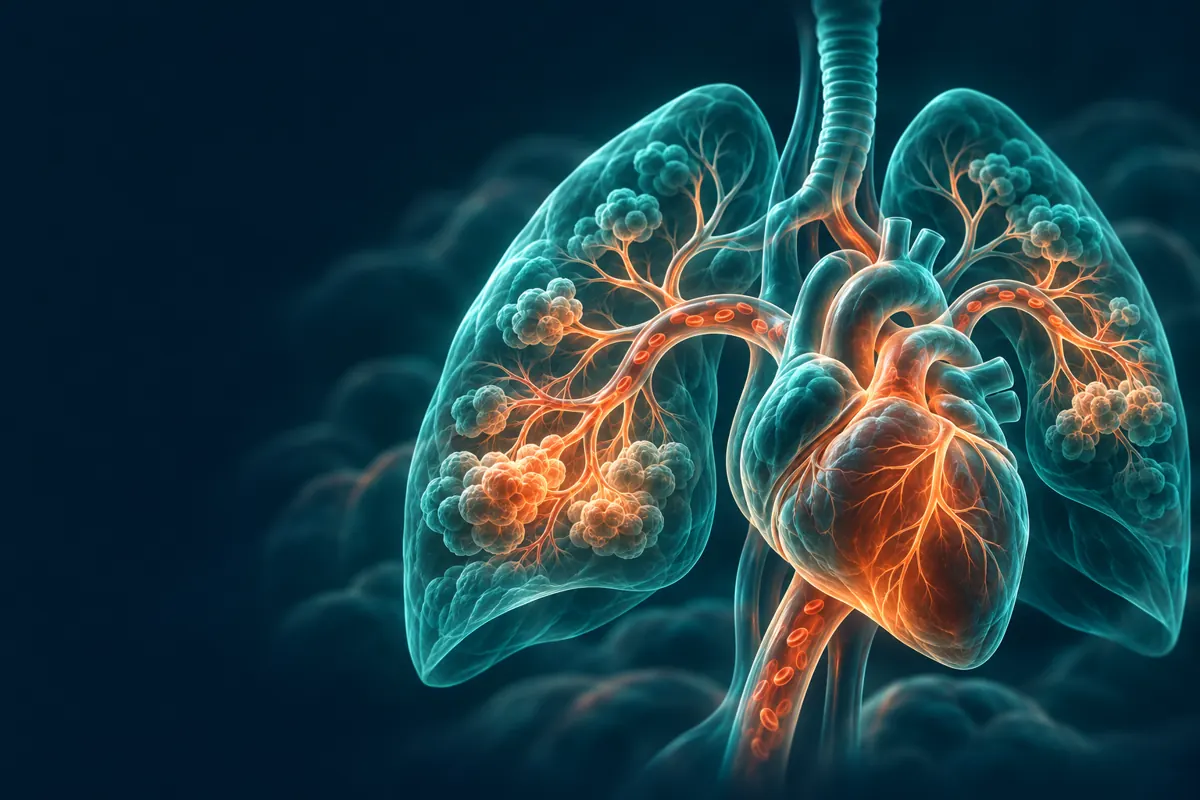
- Follow blood through the lungs and heart, understand where gas exchange happens, and see why a pump and an oxygen supply are different jobs.
- 3 sources
Read the guide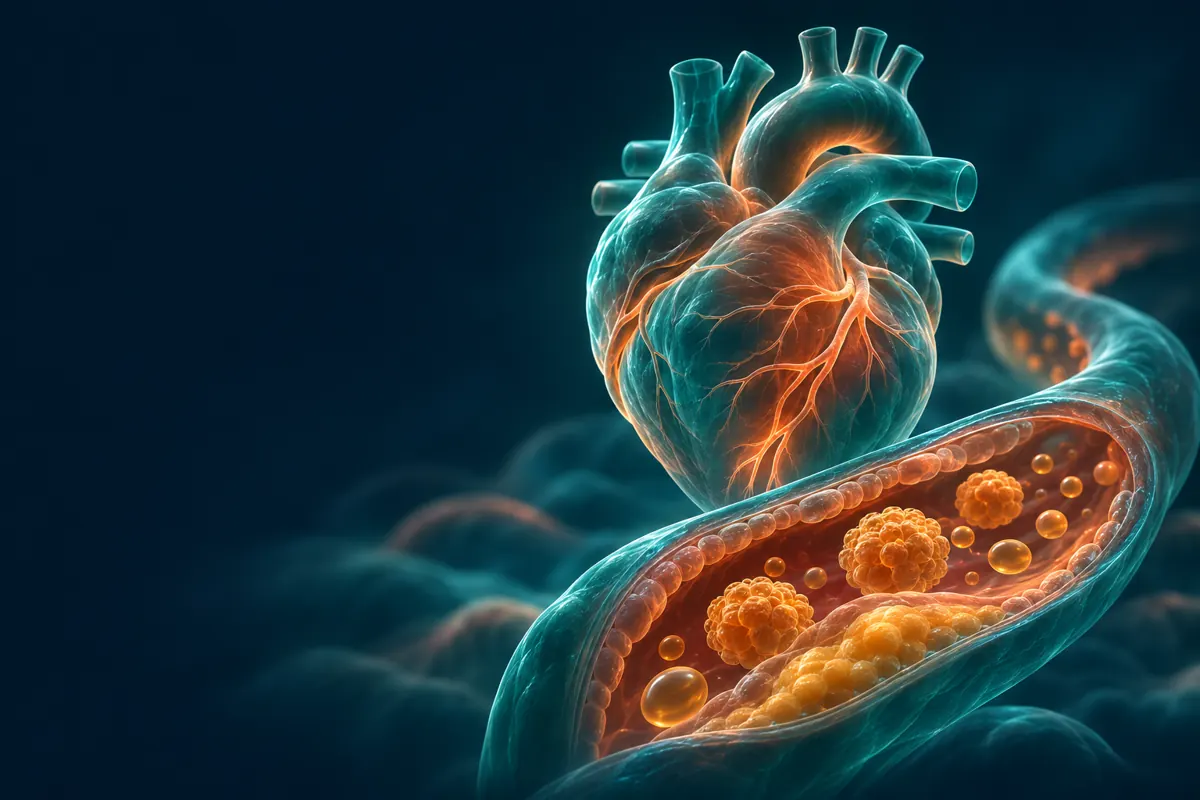 Updated Nov 9, 2026
Blood Pressure, Cholesterol and Triglycerides: What Each Measures
- A pressure reading and a lipid panel answer different questions. Understand the terms before turning one result into a verdict about the whole heart.
- 3 sources
Read the guide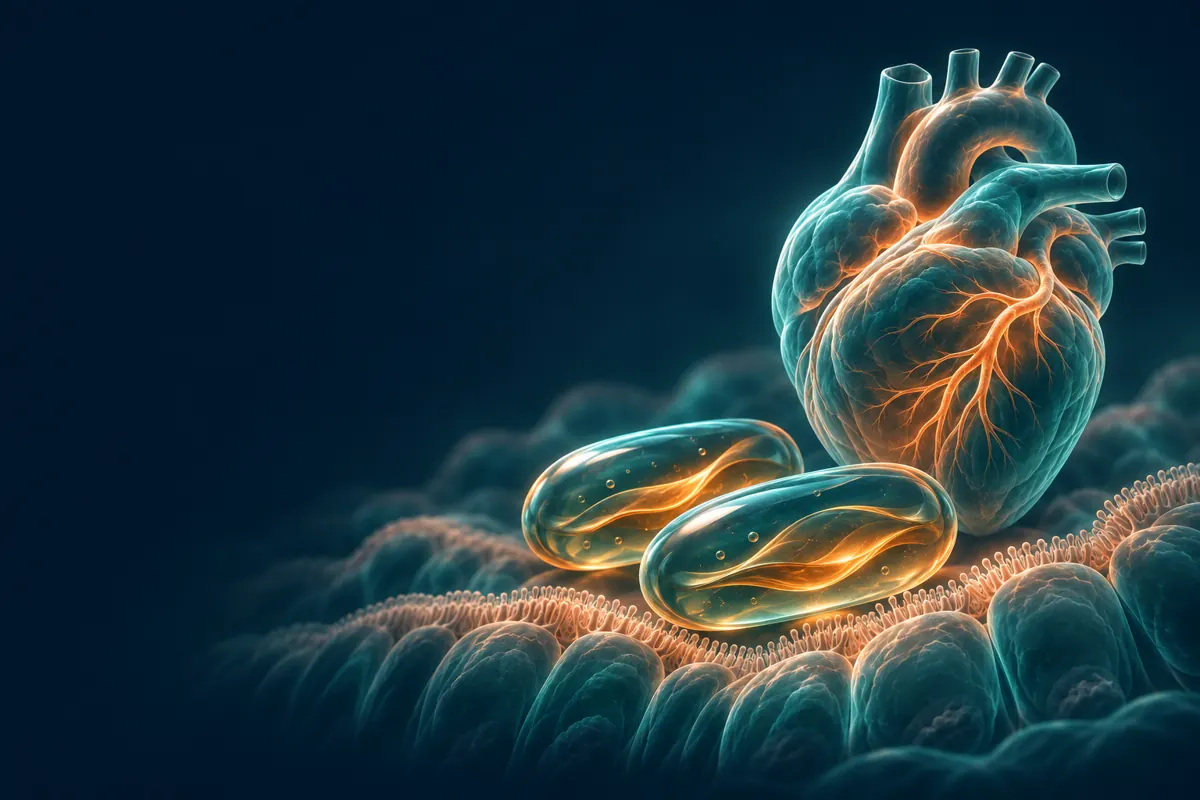 Updated Nov 9, 2026
How to Read Heart Research When the Headlines Disagree
- Use two omega-3 trials to see why the population, formulation, comparison group and measured outcome matter more than an ingredient headline.
- 5 sources
Read the guide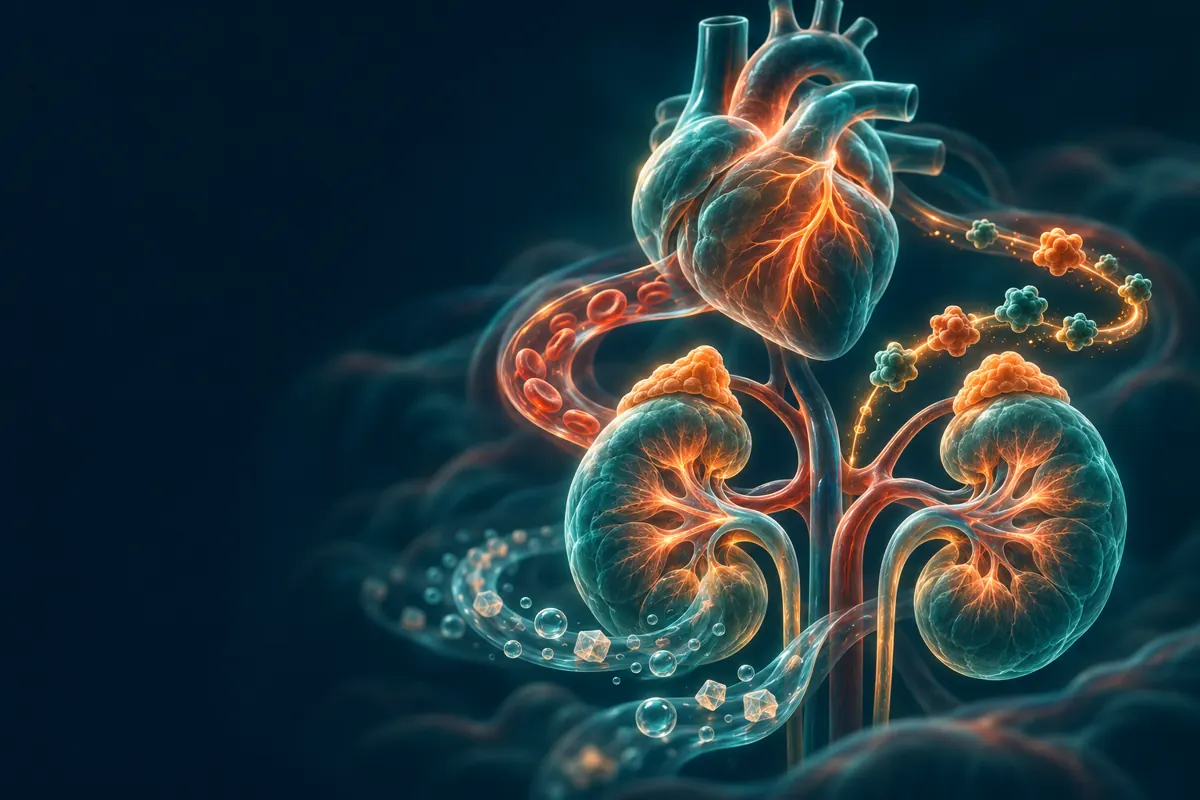 Updated Nov 10, 2026
How Kidneys Help Regulate Blood Pressure
- Connect the heart’s pumping role with the kidneys’ control of water, salts and pressure-related hormones.
- 3 sources
Read the guide Updated Nov 10, 2026
Why Stress Can Change the Heartbeat
- Follow a normal stress response while keeping physiology, symptoms and product claims separate.
- 3 sources
Read the guide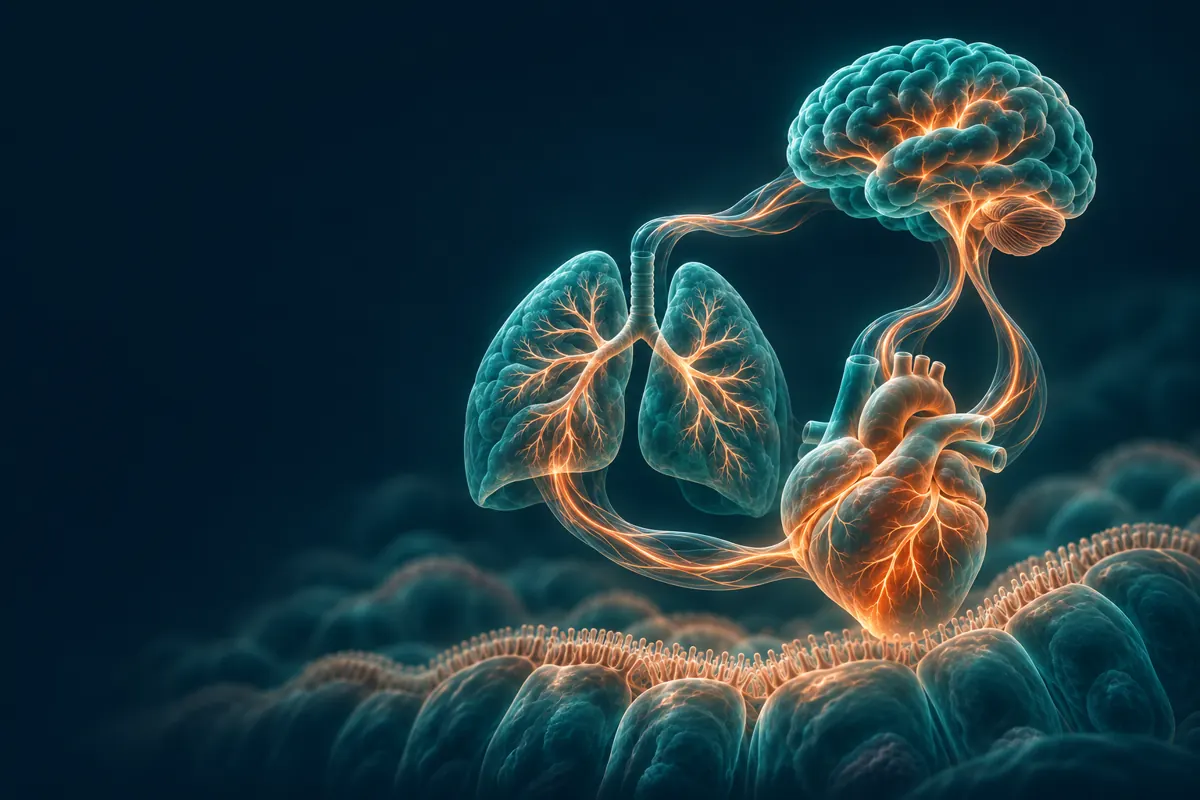 Updated Nov 10, 2026
How Movement Connects Heart, Lungs and Brain
- Separate the immediate support for working muscles from research on exercise over time.
- 3 sources
Read the guide
Researched and written by Kymata Health Editorial; sources cited inline. Educational only, not medical advice.
Every health hubHow do the heart and lungs work together?
How do the heart and lungs work together?
The heart and lungs work as a connected system: the heart supplies movement and the lungs exchange gases. How the heart and lungs work together follows that route without turning the body into a collection of isolated parts.12
Start Follow oxygen to connect the explanation to the 3D reference anatomy. The separate heart lesson adds a chamber cutaway and illustrative flow; it does not simulate a person’s heartbeat or valve motion.
Give each measurement its own meaning
Give each measurement its own meaning
Blood pressure, cholesterol and triglycerides describe different aspects of cardiovascular health. Our measurement guide explains the differences before you interpret a headline or discuss a result.
NHLBI distinguishes prescription omega-3 medicines from dietary supplements when discussing high triglycerides. A similar ingredient name does not establish the same product, indication or outcome.3
Follow the result back to the study
Follow the result back to the study
Our heart-research guide shows how to compare the people enrolled, the intervention, the comparison group and the outcome. A biological explanation helps a study make sense; it does not replace the study.
Continue to the existing omega-3 evidence guide for formulation-specific findings and safety context. A useful reading path can end with uncertainty or a reason not to generalize a claim.
Questions
Common questions: Heart & Circulation
One quick answer from each guide; its sources are in the guide.
Does blood gain oxygen inside the heart?
No. Oxygen enters blood during gas exchange in the lungs. The heart moves that blood through the pulmonary and systemic circulation.
Can a normal blood-pressure reading tell me my cholesterol is normal?
No. These are separate measurements: one concerns pressure and the other concerns circulating lipids. Each needs its own measurement and clinical context.
From the guide: Blood Pressure, Cholesterol and Triglycerides: What Each Measures
Why not declare one trial right and the other wrong?
Different interventions, populations and comparison groups can produce different results. The first task is to understand those differences and the broader evidence, not to select the headline that matches a preference.
From the guide: How to Read Heart Research When the Headlines Disagree
Regulatory
Regulatory and legal notes
- This is general cardiovascular education, not diagnosis or treatment advice. Prescription medicines and dietary supplements have different roles; do not change prescribed care on the basis of this explorer.3
Sources
References
Every study and document cited on this page, numbered as in the text.
- 1How Blood Flows through the Heart (accessed 2026). NHLBI, 2026.
- 2How the Lungs Work (accessed 2026). NHLBI, 2026.
- 3High Blood Triglycerides (accessed 2026). NHLBI, 2026.
Dietary supplements are not intended to diagnose, treat, cure or prevent any disease, and these statements have not been evaluated by the FDA. Prescription options need a licensed clinician. Talk to your clinician or pharmacist before starting anything new, especially if you take prescription medicines, are pregnant or breastfeeding.