Search
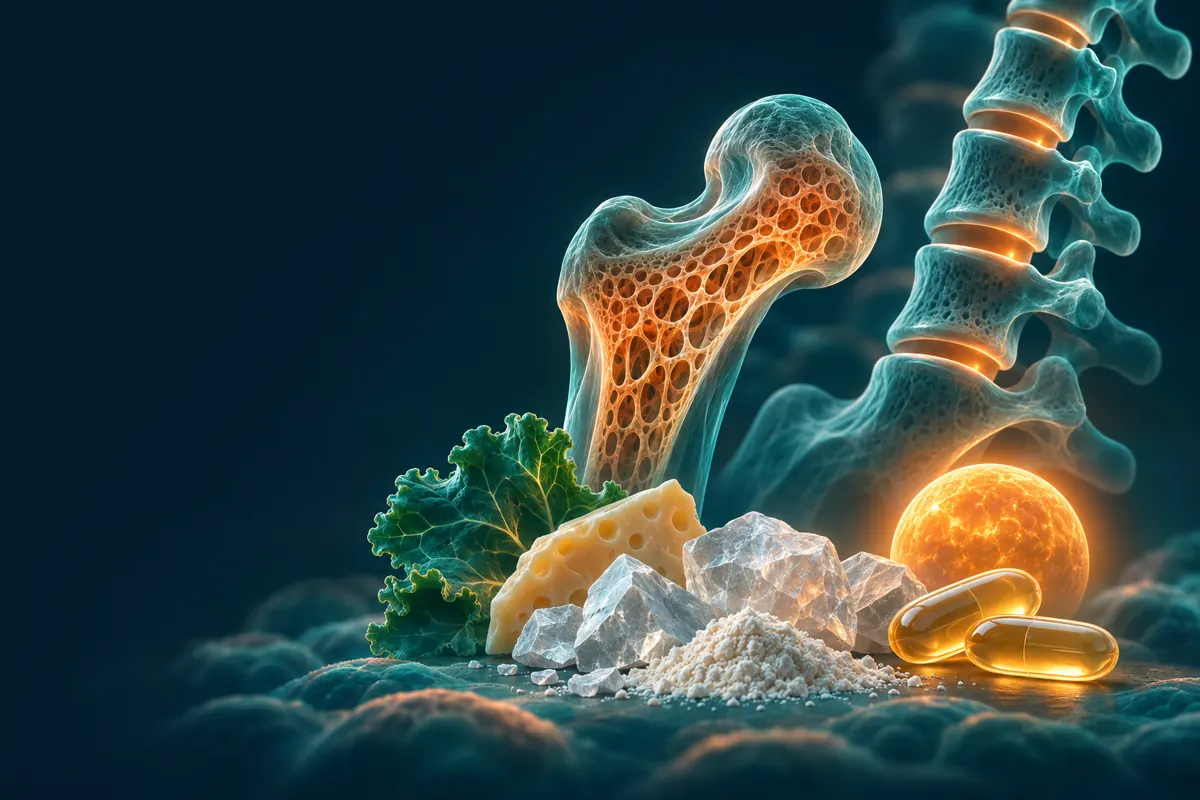
Conceptual still-life of the supplements in this stack: Bones and falls after 40: what helps, and what calcium and vitamin D do

Strength after 40 · Bones

Bones and falls after 40: what helps, and what calcium and vitamin D do

Bone density falls with age, faster for women after menopause. Calcium and vitamin D supplements are often taken on autopilot, but the latest large review found little effect on fractures in people not at high risk. Strength and balance training, enough protein and a bone scan when indicated matter more.

The stack

The bone stack

The grade is on each card; each card jumps to its item, where the shop list, study amounts and safety notes are.

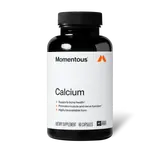
  • Momentous Calcium, 60 capsulesGrade A, strong

    Item 1 of 2

    Calcium (food first)

    • Fill a gap if your diet falls short; supplements alone did little for fractures in trials.
    • What to look for on the label
    See the itemJump to the shop list
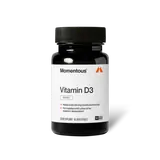
  • Momentous Vitamin D3 2000 IU, 60 capsulesGrade B, moderate

    Item 2 of 2 · optional

    Vitamin D3 (only if low)

    • Correct a low level. In people who are not low, it did not reduce fractures or falls.
    • What to look for on the label
    See the itemJump to the shop list

Quick answer

The quick answer

  • A 2026 meta-analysis of 69 trials (153,902 people) found little to no effect of calcium, vitamin D or both on fractures or falls in people not at high risk.
  • Calcium raised bone density by only 0.7–1.8% in adults over 50, too little to meaningfully cut fractures.
  • Strength and balance training reduce falls and help keep bone.
  • If you have had a fracture from a minor fall, or a parent broke a hip, ask about a bone density scan.

We may earn a commission if you buy through these links. That never changes a rank. See how partner links work.

Story

A story you might recognize

Composite story built from common reader accounts; details changed. Not a testimonial.

Her mother broke a hip at 70, so at 55 she took high-dose calcium and vitamin D every day without checking her diet.

Her doctor ordered a bone scan, which showed early bone loss, and worked out that her yogurt and cheese already supplied most of her calcium. She dropped to a small supplement, started weight training and balance classes, and discussed medical options for her bones.

In depth

Who should ask about a bone scan

  • Women 65 and over, and younger postmenopausal women with risk factors.
  • Anyone who has broken a bone in a minor fall after 50.
  • Long-term steroid tablets, rheumatoid arthritis, early menopause, very low body weight, smoking or heavy drinking.
  • A parent who broke a hip.

The plan

The plan

  1. Lift and balance. Strength training twice a week plus balance work.
  2. Count calcium from food. Dairy, fortified plant milks, tofu, canned fish with bones.
  3. Supplement only the gap. Small servings with meals.
  4. Check vitamin D if at risk. Little sun, darker skin, older age, or gut conditions.
  5. Ask about your fracture risk. Medicines are very effective for people at high risk.

The stack

The bone stack

Calcium only to fill a dietary gap, vitamin D only if low, alongside strength and balance training. Evidence grade: A strong · B moderate · C limited · D preliminary.

  1. 01

    Calcium (food first)

    Fill a gap if your diet falls short; supplements alone did little for fractures in trials.

    What the research shows: A 2015 meta-analysis of 59 trials in adults over 50 found calcium from food or supplements raised bone density by 0.7–1.8%, too little to meaningfully cut fracture risk. A 2026 meta-analysis of 69 trials (153,902 people) found little to no effect of calcium, vitamin D or both on fractures or falls in people not at high risk. (PMID 26420598, PMID 42161415)

    • Calcium with vitamin D slightly raised kidney stone reports in trials. Constipation is common.
    • Take 4 hours apart from thyroid medicine, iron and some antibiotics.

    In the studies

    • Trials gave 500 to about 2,000 mg a day of elemental calcium; the adult upper limit is 2,000–2,500 mg a day from food and supplements combined.

    A record of what researchers gave, in whom; not a dose for you.

    Evidencestrong (Grade A)

    Also from our partners

    Only brands that pay us are listed here.

    Subscribe & save 25%. Pick “Subscribe 25% Off” on the product page; delivery every 1, 2 or 3 months; cancel or reschedule anytime.

    • Subscription price shown on each product card.
    • Our Momentous links apply the brand’s partner discount at checkout, so there is no code to type. Momentous sets any discount it applies; check the cart total before you pay.
    • Offer terms from Momentous’ site, checked Oct 8, 2026. Offers can change; the brand's checkout is final.
  2. Illustration, not the product: Conceptual render of unbranded capsules, a beaker and a heap of powder (Momentous Vitamin D3 2000 IU, 60 capsules)

    02Optional

    Vitamin D3 (only if low)

    Correct a low level. In people who are not low, it did not reduce fractures or falls.

    What the research shows: In a 25-week winter trial, 1,000 IU a day of D3 kept blood 25(OH)D 21 nmol/L higher than the same amount of D2 (PMID 23168298). But a 2026 meta-analysis of 36 trials (92,045 people) found vitamin D alone had no effect on fractures (risk ratio 1.00). (PMID 23168298, PMID 42161415)

    • High-dose vitamin D has been linked to more falls in some trials. Stay at or under the 4,000 IU a day upper limit unless a clinician advises otherwise.

    In the studies

    • Amounts varied across the trials cited below; the adult upper limit is 4,000 IU (100 mcg) a day from all sources.

    A record of what researchers gave, in whom; not a dose for you.

    Evidencemoderate (Grade B)

    Also from our partners

    Only brands that pay us are listed here.

Listed picks above total $36.98 at one-time prices on the brands' own sites; most hold about a month of servings at the label's serving size.

Left out

What we left out, and why

High-dose vitamin D "for bones"
In people who are not low, vitamin D alone did not reduce fractures, and very high doses have been linked to more falls.
Bone "support" blends with many minerals
Little evidence beyond calcium and vitamin D, and easy to overshoot upper limits.

Safety

Safety and interactions

  • If you have had a fracture from a minor fall, see a clinician about your bone health.
  • Check with a clinician before starting heavy training if you have heart disease, chest pain on exertion, uncontrolled blood pressure, or a joint replacement.
  • Not medical advice. Check with your clinician or pharmacist before starting supplements if you take prescription medicines, are pregnant or breastfeeding, or have kidney or liver disease.
  • Supplements are not evaluated by the FDA to diagnose, treat, cure or prevent any disease.

Questions

Frequently asked questions

Do calcium and vitamin D prevent fractures?

A 2026 meta-analysis of 69 trials found little to no effect on fractures or falls in people not at high risk. People at high risk need a clinician’s plan.

How much calcium do I need?

Count your food first; the adult RDA is about 1,000–1,200 mg a day in total. The upper limit is 2,000–2,500 mg a day from food and supplements combined.

What exercise is best for bones?

Strength training and impact or balance exercises, done regularly and progressed gradually.

Sources

Sources

Supplement stacks: every pageAll stacksBrowse all topics

The sleep stackAlso in: Supplements and vitamins

Educational only. Not medical advice.

We earn a commission on some links. That never changes a rank. How we make money: kymatahealth.com/affiliate-disclosure.