

Search
Conceptual still-life of the supplements in this stack: Probiotics with antibiotics: which strains have the evidence

Gut · Antibiotics

Probiotics with antibiotics: which strains have the evidence

In trials, about one in five people taking antibiotics without a probiotic got diarrhoea. Probiotics started with the antibiotic lowered that risk in trials, and the yeast Saccharomyces boulardii has the strongest data. The strain matters more than the CFU number on the label.

The stack

The antibiotic stack

The grade is on each card; each card jumps to its item, where the shop list, study amounts and safety notes are.

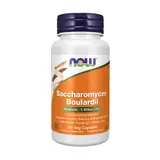
  • NOW Foods Saccharomyces Boulardii, 60 Veg CapsGrade A, strong

    Item 1 of 2

    Saccharomyces boulardii

    • The best-studied single probiotic for diarrhoea during antibiotics.
    • What to look for on the label
    See the itemJump to the shop list
  • Conceptual still-life of the supplements in this stack: Probiotics with antibiotics: which strains have the evidenceGrade B, moderate

    Item 2 of 2 · optional

    Lactobacillus rhamnosus GG (LGG)

    • Optional. The best-studied bacterial strain; clearer in children than adults.
    • What to look for on the label
    See the itemJump to the shop list

Quick answer

The quick answer

  • S. boulardii cut antibiotic-associated diarrhoea from 18.7% to 8.5% in a 2015 meta-analysis of 21 trials.
  • Across 36 trials in adults, probiotics lowered the risk by 38%; starting early mattered.
  • LGG has good data in children; in adults alone the benefit was not significant.
  • Severe watery diarrhoea, fever or blood during or after antibiotics can mean C. difficile infection: call a clinician.

We may earn a commission if you buy through these links. That never changes a rank. See how partner links work.

Story

A story you might recognize

Composite story built from common reader accounts; details changed. Not a testimonial.

The last time he took a strong antibiotic for a chest infection, he spent a week close to a bathroom. This time his GP prescribed another course for a dental abscess.

He asked the pharmacist, who suggested S. boulardii from day one, taken alongside the antibiotic, and told him what to watch for: watery diarrhoea several times a day, fever or blood meant calling back. He finished the course without trouble.

In depth

How the trials timed them

  • The trials started probiotics with the antibiotic rather than afterwards.
  • A 2021 meta-analysis of 36 trials concluded that starting as early as possible during the antibiotic course was effective and safe (PMID 33234881).
  • S. boulardii is a yeast, so antibiotics do not kill it.
  • Products that name the strain and give CFU at expiry can be matched to the trials.

The plan

The plan

  1. Ask the prescriber or pharmacist. Especially if you are seriously ill or immunocompromised.
  2. Ask about S. boulardii early. The trials started it with the first antibiotic dose.
  3. Keep fluids up. Oral rehydration solution if you get loose stools.
  4. Watch for warning signs. Six or more watery stools a day, fever, blood or severe cramps need a call.
  5. Finish the antibiotic as prescribed. Do not stop early because of mild loose stools without asking.

The stack

The antibiotic stack

S. boulardii as the main pick, with LGG as an optional bacterial strain. Evidence grade: A strong · B moderate · C limited · D preliminary.

  1. Illustration, not the product: Conceptual render of unbranded capsules, a beaker and a heap of powder (NOW Foods Saccharomyces Boulardii, 60 Veg Caps)

    01

    Saccharomyces boulardii

    The best-studied single probiotic for diarrhoea during antibiotics.

    What the research shows: A 2015 meta-analysis of 21 trials (4,780 people) found S. boulardii cut antibiotic-associated diarrhoea from 18.7% to 8.5%; about 1 in 10 people taking it avoided an episode. In adults it fell from 17.4% to 8.2%. It did not significantly lower C. difficile diarrhoea in adults. (PMID 26216624)

    • Do not take it if you are seriously ill, in intensive care, have a central venous catheter or a weakened immune system: bloodstream yeast infections have been reported.
    • Not with antifungal medicines, which kill it.

    In the studies

    • Trials gave 250 mg to 3 g of freeze-dried S. boulardii a day (roughly 5 to 60 billion cells), started with the antibiotic.

    A record of what researchers gave, in whom; not a dose for you.

    Evidencestrong (Grade A)

    Also from our partners

    Only brands that pay us are listed here.

  2. Illustration, not the product: Conceptual render of unbranded capsules, a beaker and a heap of powder (Lactobacillus rhamnosus GG (LGG))

    02Optional

    Lactobacillus rhamnosus GG (LGG)

    Optional. The best-studied bacterial strain; clearer in children than adults.

    What the research shows: A 2015 meta-analysis of 12 trials found LGG cut antibiotic-associated diarrhoea from 22.4% to 12.3% overall, but in adults alone the difference was not significant. A 2021 meta-analysis of 36 probiotic trials in adults (9,312 people, many strains) found a 38% lower risk. (PMID 26365389, PMID 33234881)

    • People who are seriously ill or have a weakened immune system should ask before taking any probiotic.

    In the studies

    • LGG trials gave 400 million to 120 billion CFU a day for 10 days to 3 months.

    A record of what researchers gave, in whom; not a dose for you.

    Evidencemoderate (Grade B)

    What to look for on the label

    A product naming the strain "Lactobacillus rhamnosus GG" (or Lacticaseibacillus rhamnosus GG, ATCC 53103), with billions of CFU per capsule at expiry, not only at manufacture.

    We only name brands we have vetted and work with; a specific pick will appear here once one is approved.

Listed picks above total $14.99 at one-time prices on the brands' own sites; most hold about a month of servings at the label's serving size.

Left out

What we left out, and why

High-CFU blends without named strains
A big CFU number says nothing about whether those strains were tested for antibiotic-associated diarrhoea.
Probiotics for C. difficile on your own
C. difficile infection needs medical treatment; probiotics are at most an add-on a clinician decides on.

Safety

Safety and interactions

  • Do not take probiotics without asking if you are seriously ill, in intensive care, have a central line or a weakened immune system.
  • See a clinician promptly for blood in your stool or black stools, unplanned weight loss, anaemia, a fever, symptoms that wake you at night, a lasting change in bowel habit after 45, or a family history of bowel cancer, inflammatory bowel disease or coeliac disease.
  • Get tested for coeliac disease before cutting out gluten; the test needs gluten in your diet to be accurate.
  • Not medical advice. Check with your clinician or pharmacist before starting supplements if you take prescription medicines, are pregnant or breastfeeding, or have a long-term condition.
  • Supplements are not evaluated by the FDA to diagnose, treat, cure or prevent any disease.

Questions

Frequently asked questions

Should I take probiotics with antibiotics?

Trials suggest it lowers the chance of antibiotic-associated diarrhoea. A 2021 meta-analysis of 36 trials in adults found a 38% lower risk, with earlier starts doing better. Ask first if you are seriously ill or immunocompromised.

Which probiotic is best with antibiotics?

Saccharomyces boulardii has the most data: in a 2015 meta-analysis of 21 trials it cut antibiotic-associated diarrhoea from 18.7% to 8.5%.

When did the trials start probiotics?

With the antibiotic. A 2021 meta-analysis of 36 trials concluded that starting as early as possible during the course was effective and safe. S. boulardii is a yeast, so antibiotics do not kill it.

Sources

Sources

Supplement stacks: every pageAll stacksBrowse all topics

The sleep stackAlso in: Supplements and vitamins

Educational only. Not medical advice.

We earn a commission on some links. That never changes a rank. How we make money: kymatahealth.com/affiliate-disclosure.