Search
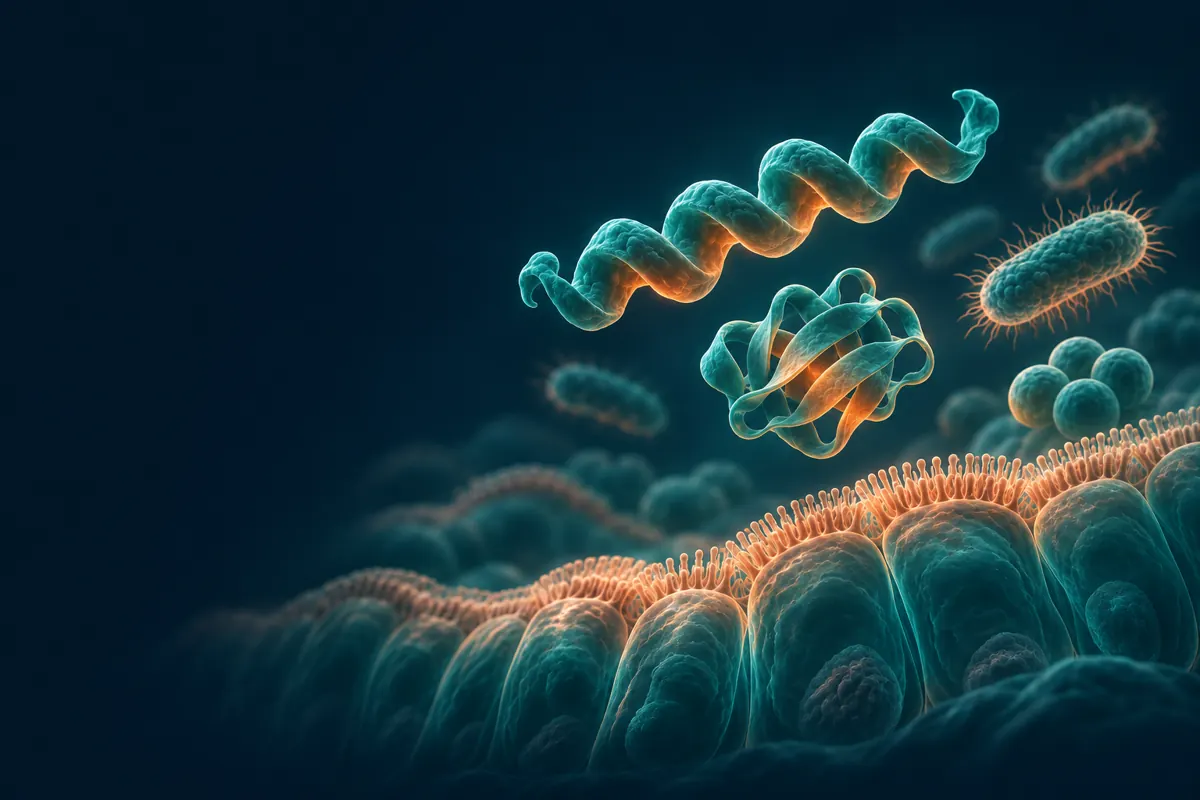
Conceptual cover for “LL-37 and Defensins: What the Antimicrobial Research Shows”.

LL-37 and Defensins: What the Antimicrobial Research Shows

By Kymata Health EditorialUpdated Published 11 min readNo paid links in this articleEducation, not medical advice

In brief

LL-37 (cathelicidin) and defensins are antimicrobial peptides the body makes. What lab and human studies have measured, and why neither is an approved drug.

Researched and written by Kymata Health EditorialHow we checkReport an error

Endogenous Immune Defense

LL-37 (cathelicidin) is the only human cathelicidin antimicrobial peptide. It forms an amphipathic alpha-helical structure that physically disrupts bacterial cell membranes through two mechanisms: the toroidal pore model (inserting into and perforating the lipid bilayer) and the carpet model (coating and dissolving the membrane surface).

Beyond direct antimicrobial action, LL-37 serves as an immune modulator, recruiting neutrophils, enhancing macrophage phagocytosis, and promoting wound healing via angiogenesis.

LL-37, the only human cathelicidin, disrupts bacterial membranes by the toroidal pore model (inserting into and perforating the bilayer) and the carpet model (coating and dissolving the surface); it also recruits neutrophils, enhances phagocytosis and promotes wound healing. No human study of LL-37 injections has been published; its one controlled trial applied it to leg ulcers
Its one controlled human trial applied LL-37 to leg ulcers.

Therapeutic Applications

Research interest in LL-37 centers on biofilm-resistant infections (where conventional antibiotics fail), chronic wound healing, and immune modulation in conditions like Crohn's disease where mucosal immunity is compromised.

LL-37 deficiency correlates with increased susceptibility to infections, poor wound healing, and chronic inflammatory conditions. No human study of LL-37 injections has been published; its one controlled trial applied it to leg ulcers (PMID 25041740).

Questions

Can LL-37 replace antibiotics?

Not as a standalone replacement, but LL-37 excels where antibiotics fail: biofilm-embedded infections. Bacteria within biofilms are 100-1000x more resistant to conventional antibiotics. LL-37 can physically disrupt biofilm matrices and kill the embedded bacteria.

How was LL-37 given in studies?

Its one controlled trial tested it on hard-to-heal venous leg ulcers for 4 weeks (PMID 25041740). We found no human study of LL-37 injections.

Medical disclaimer: This article is for educational and informational purposes only. It does not constitute medical advice. Consult a qualified healthcare provider before using any peptide.

Share this article

Educational only. Not medical advice.

We earn a commission on some links. That never changes a rank. How we make money: kymatahealth.com/affiliate-disclosure.