Search
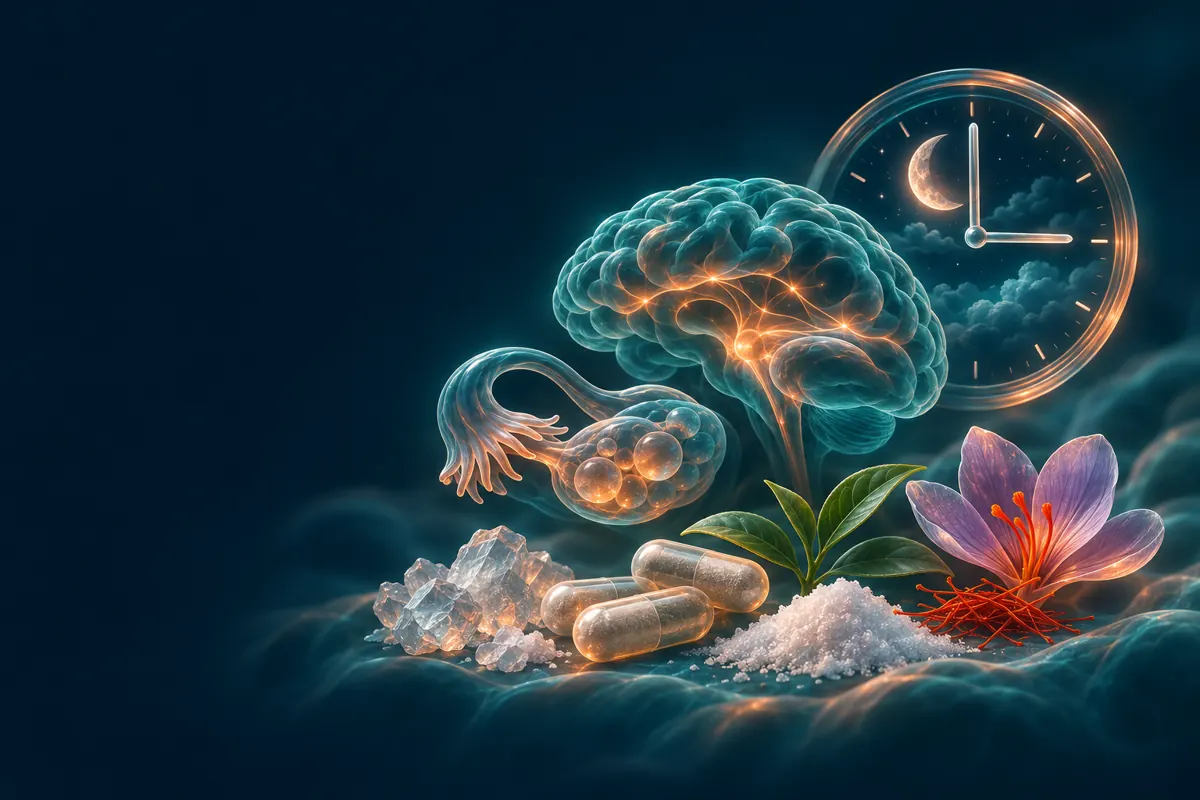
Conceptual still-life of the supplements in this stack: Waking at 3 a.m. in perimenopause: what is happening and what helps

Symptom guide · Sleep stack

Waking at 3 a.m. in perimenopause: what is happening and what helps

You fall asleep fine, then you are wide awake at 3 a.m., hot or wired, mind already on tomorrow. Here is what is behind that pattern, the steps with the strongest evidence, and the small supplement stack we would try alongside them.

The stack

The 3 a.m. stack

The grade is on each card; each card jumps to its item, where the shop list, study amounts and safety notes are.

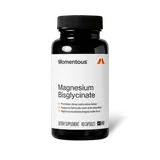
  • Momentous Magnesium Bisglycinate, 60 capsulesGrade B, moderate

    Item 1 of 4

    Magnesium bisglycinate (glycinate)

    • Supports a calm nervous system and muscle relaxation at night. The foundation: cheap, well studied, gentle on the gut in this form.
    • 4 products checked
    from $16.99Jump to the shop list
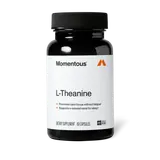
  • Momentous L-Theanine, 60 capsulesGrade B, moderate

    Item 2 of 4

    L-theanine

    • Supports a quieter mind at night without sedation. Useful when the problem is racing thoughts rather than heat.
    • 3 products checked
    from $18Jump to the shop list
  • Conceptual still-life of the supplements in this stack: Waking at 3 a.m. in perimenopause: what is happening and what helpsGrade C, limited

    Item 3 of 4

    Glycine

    • Supports the evening drop in core body temperature that comes before deep sleep, and next-day alertness after short nights.
    • 2 products checked
    from $22Jump to the shop list
  • Conceptual still-life of the supplements in this stack: Waking at 3 a.m. in perimenopause: what is happening and what helpsGrade B, moderate

    Item 4 of 4 · optional

    Standardized saffron extract

    • Supports mood and sleep quality when stress and low mood are part of the picture.
    • 1 product checked
    $45Jump to the shop list

Quick answer

The quick answer

  • Night waking is one of the most common symptoms of the menopause transition; hot flashes and night sweats, shifting hormones, mood, bladder and sleep apnea all contribute.
  • Strongest evidence: CBT for insomnia (CBT-I) and, when hot flashes drive the waking, hormone therapy or a prescription nonhormonal option. Talk to a clinician about both.
  • Supplements are the support act: magnesium bisglycinate, L-theanine, glycine and a standardized saffron extract have small randomized trials behind them.
  • Skip alcohol as a sleep aid, and be wary of "3 a.m. cortisol" products: cortisol normally starts rising in the early morning; the fix is the sleep system, not a cortisol flush.

We may earn a commission if you buy through these links. That never changes a rank. See how partner links work.

Story

A story you might recognize

Composite story built from common reader accounts; details changed. Not a testimonial.

She is 49. Lights out at 10:30, asleep in minutes. Then, almost to the minute, 3:07 a.m.: duvet kicked off, heart thumping, a to-do list scrolling behind her eyes. By the time she settles it is 4:45 and the alarm is at 6.

She tried melatonin (groggy), a glass of wine to "help" (worse, she woke earlier), and a TikTok "cortisol cocktail" (nothing). What finally helped was sorting out which kind of 3 a.m. waking she had, fixing the cheap things first, and then adding a few supplements with real trial data, while she booked the conversation about hormone therapy she had been putting off.

In depth

Why 3 a.m.? Four common patterns

Sleep gets lighter in the second half of the night for everyone. In perimenopause, falling and fluctuating estradiol and progesterone make that lighter sleep easier to break. A hot flash can wake you before you notice the heat, and the stress-hormone system that normally starts winding up toward morning (cortisol begins to rise in the early hours) is easier to wake into once you are surfacing.

Most 3 a.m. wakings fall into one of four patterns. Knowing which one you have decides what to try first:

  • Hot or sweaty on waking → vasomotor symptoms. Hormone therapy and prescription nonhormonal options have the strongest evidence; supplements will not fix true night sweats.
  • Wide awake, racing mind, no heat → hyperarousal. CBT-I, a wind-down routine, and the calming part of the stack (magnesium, L-theanine) fit best.
  • Bladder first → fewer fluids late in the evening and less evening alcohol and caffeine; ask about overactive bladder or genitourinary symptoms, which are treatable.
  • Snoring, gasping, morning headaches or partner-noticed pauses → get screened for sleep apnea, which becomes more common after menopause. No supplement addresses it.

The plan

The step-by-step plan

  1. Week 1: fix the cheap things. Same wake time every day, morning daylight, bedroom cool (about 60–67°F), alcohol off for two weeks as a test, caffeine before noon only. Keep a 2-week log of when you wake and whether you were hot.
  2. Weeks 1–2: start CBT-I. In a randomized trial of women with hot flashes, six phone sessions of CBT-I reduced insomnia severity more than menopause education alone. Apps, books and therapists all deliver it; the core is a consistent sleep window and getting out of bed when you can’t sleep.
  3. Week 2: book the hormone conversation. If hot flashes or sweats are part of it, ask about menopausal hormone therapy and prescription nonhormonal options. The Menopause Society’s position statements support hormone therapy as the most effective option for vasomotor symptoms for most healthy women under 60 or within 10 years of menopause, and list nonhormonal prescriptions for women who can’t or don’t want to take hormones.
  4. Week 2–3: add the stack, one piece at a time. Start magnesium + L-theanine for a week, then add glycine, then (optional) saffron. One change at a time tells you what is working. Give each piece 2–4 weeks before judging it.
  5. Week 6: review. Compare your log with week 1. Keep what helped, drop what didn’t. If you are still waking most nights, go back to your clinician. Persistent insomnia is treatable and you should not have to white-knuckle it.

The stack

The 3 a.m. stack

Three evidence-backed layers plus one optional. Start low, add one at a time, and review at 4–6 weeks. Not a substitute for treatment of hot flashes or sleep apnea. Evidence grade: A strong · B moderate · C limited · D preliminary.

  1. Illustration, not the product: Conceptual still-life of magnesium beside a test tube (Momentous Magnesium Bisglycinate)

    01

    Magnesium bisglycinate (glycinate)

    Supports a calm nervous system and muscle relaxation at night. The foundation: cheap, well studied, gentle on the gut in this form.

    What the research shows: A 2025 randomized trial in 155 adults reporting poor sleep found 250 mg/day of elemental magnesium as bisglycinate lowered insomnia-severity scores a little more than placebo at 4 weeks (−3.9 vs −2.3 points). Older trials in older adults point the same way; effects are modest and largest in people who run low. (PMID 40918053, PMID 33865376, PMID 23853635)

    • Stay at or under 350 mg/day of supplemental magnesium unless a clinician says otherwise (the US upper limit for supplements); food magnesium does not count toward it.
    • Kidney disease: ask first. Magnesium can build up when kidneys clear it poorly.
    • Separate from levothyroxine, tetracycline/quinolone antibiotics and bisphosphonates by at least 2–4 hours.

    In the studies

    • The main sleep trial gave 250 mg elemental magnesium a day as bisglycinate

    A record of what researchers gave, in whom; not a dose for you.

    Evidencemoderate (Grade B)

    Also from our partners

    Only brands that pay us are listed here.

    Subscribe & save 25%. Pick “Subscribe 25% Off” on the product page; delivery every 1, 2 or 3 months; cancel or reschedule anytime.

    • Subscription price shown on each product card.
    • Our Momentous links apply the brand’s partner discount at checkout, so there is no code to type. Momentous sets any discount it applies; check the cart total before you pay.
    • Offer terms from Momentous’ site, checked Oct 8, 2026. Offers can change; the brand's checkout is final.
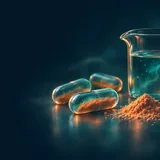
  2. Illustration, not the product: Conceptual render of unbranded capsules, a beaker and a heap of powder (Momentous L-Theanine)

    02

    L-theanine

    Supports a quieter mind at night without sedation. Useful when the problem is racing thoughts rather than heat.

    What the research shows: A 2025 meta-analysis of randomized trials, mostly at 200–400 mg, found L-theanine modestly improved self-rated sleep outcomes (PMID 40056718). (PMID 40056718, PMID 31623400)

    • Generally well tolerated. It can add to the effect of blood-pressure medicines and sedatives; check if you take them.

    In the studies

    • Most trials in the 2025 meta-analysis gave 200–400 mg

    A record of what researchers gave, in whom; not a dose for you.

    Evidencemoderate (Grade B)

    Also from our partners

    Only brands that pay us are listed here.

  3. Illustration, not the product: Conceptual render of unbranded capsules, a beaker and a heap of powder (Supersmart Glycine Powder)

    03

    Glycine

    Supports the evening drop in core body temperature that comes before deep sleep, and next-day alertness after short nights.

    What the research shows: Small Japanese trials used 3 g before bed: after three nights of restricted sleep, glycine reduced next-day fatigue and improved a vigilance test (PMID 22529837). Animal work points to a core-temperature mechanism. Promising, but the human trials are small. (PMID 22529837, PMID 25533534)

    • Well tolerated at the amounts used in the sleep trials. People taking clozapine should not add glycine without their prescriber.

    In the studies

    • The small sleep trials gave 3 g

    A record of what researchers gave, in whom; not a dose for you.

    Evidencelimited (Grade C)

    Also from our partners

    Only brands that pay us are listed here.

    5% off with the Supersmart newsletter

    Sign up for the newsletter at the bottom of us.supersmart.com; Supersmart says the 5% discount is permanent.

    Subscribe & Save 15% (20% with 3+ items). Choose Subscribe & Save on the product page; delivery every 1 to 6 months, cancel or change anytime, free shipping on subscriptions.

    Get 5% off with the newsletter (paid link, opens in new tab)

    We may earn a commission if you buy through these links. That never changes a rank. See how partner links work.

    • Supersmart’s footer offer reads “Subscribe to our newsletter and obtain a 5% permanent discount.”
    • Supersmart says Subscribe & Save discounts can’t be combined with the 5% newsletter discount.
    • 20% applies when 3 or more products ship on auto-delivery to the same address.
    • Only products that show the Subscribe & Save offer qualify, and a Supersmart account is required.
    • The newsletter discount and Subscribe & Save are separate offers; we don’t claim they combine.
    • Offer terms from Supersmart’s site, checked Oct 16, 2026. Offers can change; the brand's checkout is final.
  4. Illustration, not the product: Conceptual render of unbranded capsules, a beaker and a heap of powder (Standardized saffron extract)

    04Optional

    Standardized saffron extract

    Supports mood and sleep quality when stress and low mood are part of the picture.

    What the research shows: In a 28-day randomized trial of 120 adults with unsatisfying sleep, 14 mg and 28 mg of affron an hour before bed improved sleep-quality ratings versus placebo (PMID 34438361). In 86 perimenopausal women, 14 mg twice daily for 12 weeks improved the psychological part of a menopause symptom scale (mostly anxiety and low mood), not hot flashes (PMID 34463070). (PMID 34438361, PMID 34463070)

    • Use only standardized extracts at studied doses; high doses of saffron are unsafe in pregnancy.
    • Talk to a clinician first if you take an SSRI/SNRI or other antidepressant, blood thinners, or blood-pressure medicines, or if you have bipolar disorder.

    In the studies

    • The sleep trial gave 14 mg or 28 mg of a standardized extract (affron)

    A record of what researchers gave, in whom; not a dose for you.

    Evidencemoderate (Grade B)

    What to look for on the label

    A standardized saffron stigma extract with a named, studied ingredient (such as affron or Safr’Inside), not "saffron powder".

    We only name brands we have vetted and work with; a specific pick will appear here once one is approved.

Listed picks above total $78.98 at one-time prices on the brands' own sites; most hold about a month of servings at the label's serving size.

Left out

What we left out, and why

Lithium orotate (popular on TikTok and Reddit): left out on purpose
Low-dose lithium orotate is sold as a supplement and some people swear by it for night-time anxiety. There are no standardized human trials of lithium orotate for sleep, the amount of elemental lithium differs from label to label, and the 2021 review that argued for orotate based its case largely on animal data. Lithium in any form needs kidney and thyroid monitoring at prescription doses, and it interacts with NSAIDs (ibuprofen, naproxen), ACE inhibitors, ARBs and diuretics, which can raise lithium levels. If you are curious, talk to a clinician who can check kidney function and thyroid labs first. We do not recommend a product.
Melatonin every night
Melatonin is better at shifting the timing of sleep (jet lag, shift work) than at keeping you asleep at 3 a.m., and US products often contain more or less than the label says. Fine for short-term timing problems; not our nightly pick here.
"Cortisol cocktails" and adrenal blends
Orange juice, coconut water and salt will not lower cortisol, and random cortisol tests can’t tell you whether your rhythm is off. If you have symptoms of true cortisol excess, see a doctor; otherwise put the money into the steps above.

Safety

Safety and interactions

  • Not medical advice. Check with your clinician or pharmacist before starting supplements if you take prescription medicines, are pregnant or breastfeeding, or have kidney, liver or thyroid disease.
  • New night sweats with weight loss, fever or swollen glands, or bleeding after menopause, need a doctor promptly. They are not "just menopause".
  • Supplements are not evaluated by the FDA to diagnose, treat, cure or prevent any disease.

Questions

Frequently asked questions

Why do I keep waking at 3 a.m. in perimenopause?

Sleep naturally gets lighter in the second half of the night, and in perimenopause shifting estradiol and progesterone, hot flashes and night sweats make that lighter sleep easier to break. Cortisol also begins its normal early-morning rise, so once you surface you can feel wired. Bladder, alcohol and sleep apnea are other common causes.

What is the best supplement for menopause sleep problems?

No supplement matches CBT-I or, for hot-flash-driven waking, hormone therapy. Among supplements, magnesium bisglycinate, L-theanine, glycine and standardized saffron extract have small randomized trials suggesting modest benefits. Start with magnesium and add one at a time.

Is it high cortisol that wakes me at 3 a.m.?

Cortisol normally starts rising in the early morning, so it can make an awakening feel alert, but true high-cortisol disease is rare and random cortisol tests are not a reliable screen. Treat the sleep problem and the hot flashes; see a doctor if you have other signs of cortisol excess.

What amount of magnesium glycinate did the sleep trial use?

The 2025 sleep trial gave 250 mg of elemental magnesium a day as bisglycinate, which lowered insomnia scores a little more than placebo (PMID 40918053). Stay at or below 350 mg/day of supplemental magnesium (the US upper limit) unless a clinician advises otherwise, and ask first if you have kidney disease.

Can I take these with hormone therapy?

There are no known major interactions between HRT and magnesium, L-theanine or glycine. Saffron can interact with antidepressants and blood thinners. Tell your prescriber everything you take.

Sources

Sources

Studies were checked on PubMed on Oct 7, 2026. Product prices come from each brand's own site, read between Oct 11 and Nov 22, 2026; each product shows the date its price was read.

  1. 1Baker FC et al. Sleep problems during the menopausal transition: prevalence, impact, and management challenges. Nat Sci Sleep 2018 (opens in new tab)PMID 29445307
  2. 2McCurry SM et al. Telephone-based CBT for insomnia in perimenopausal and postmenopausal women with vasomotor symptoms (MsFLASH RCT). JAMA Intern Med 2016 (opens in new tab)PMID 27213646
  3. 3The 2022 hormone therapy position statement of The North American Menopause Society. Menopause 2022 (opens in new tab)PMID 35797481
  4. 4The 2023 nonhormone therapy position statement of The North American Menopause Society. Menopause 2023 (opens in new tab)PMID 37252752
  5. 5Schuster J et al. Magnesium bisglycinate in healthy adults reporting poor sleep: randomized, placebo-controlled trial. Nat Sci Sleep 2025 (opens in new tab)PMID 40918053
  6. 6Mah J, Pitre T. Oral magnesium for insomnia in older adults: systematic review & meta-analysis. BMC Complement Med Ther 2021 (opens in new tab)PMID 33865376
  7. 7Abbasi B et al. Magnesium supplementation and primary insomnia in elderly: double-blind RCT. J Res Med Sci 2012 (opens in new tab)PMID 23853635
  8. 8Bulman A et al. L-theanine and sleep outcomes: systematic review and meta-analysis. Sleep Med Rev 2025 (opens in new tab)PMID 40056718
  9. 9Hidese S et al. L-theanine, stress-related symptoms and cognition in healthy adults: RCT. Nutrients 2019 (opens in new tab)PMID 31623400
  10. 10Bannai M et al. Glycine and subjective daytime performance in partially sleep-restricted volunteers. Front Neurol 2012 (opens in new tab)PMID 22529837
  11. 11Kawai N et al. Sleep-promoting and hypothermic effects of glycine via NMDA receptors in the SCN. Neuropsychopharmacology 2015 (opens in new tab)PMID 25533534
  12. 12Lopresti AL et al. Evening saffron extract (affron) on sleep quality, cortisol and melatonin: RCT. Sleep Med 2021 (opens in new tab)PMID 34438361
  13. 13Lopresti AL, Smith SJ. Saffron extract (affron) on menopausal symptoms in perimenopause: RCT. J Menopausal Med 2021 (opens in new tab)PMID 34463070
  14. 14Pacholko AG, Bekar LK. Lithium orotate: a superior option for lithium therapy? Brain Behav 2021 (opens in new tab)PMID 34196467
  15. 15McKnight RF et al. Lithium toxicity profile: systematic review and meta-analysis. Lancet 2012 (opens in new tab)PMID 22265699
  16. 16NIH Office of Dietary Supplements: Magnesium fact sheet (upper limit for supplements) (opens in new tab)

Supplement stacks: every pageAll stacksBrowse all topics

The sleep stackAlso in: Supplements and vitaminsAlso in: Menopause and HRT

Educational only. Not medical advice.

We earn a commission on some links. That never changes a rank. How we make money: kymatahealth.com/affiliate-disclosure.